The Numbers Behind the Shift
According to the NACS State of the Industry data released in April 2026, U.S. convenience stores generated a record $341.2 billion in in-store sales in 2025, a 1.7% increase over 2024. The most important story inside that number is food.
• Foodservice reached 28.5% of in-store sales.
• It delivered 38.9% of in-store gross profit.
• Prepared food accounted for 73.9% of foodservice sales.
• In 2005, foodservice was only 11.9% of inside sales.
In other words, food is no longer a side business for c-stores. It is the profit engine.
Fewer Trips, Bigger Baskets
The same data shows average daily transactions per store fell 2.7%, to about 1,484. With fewer visits, every customer who walks in has to be worth more. Stores that win are the ones that give shoppers a reason to stay a few minutes longer, add a coffee, grab a hot meal or sit down to eat.
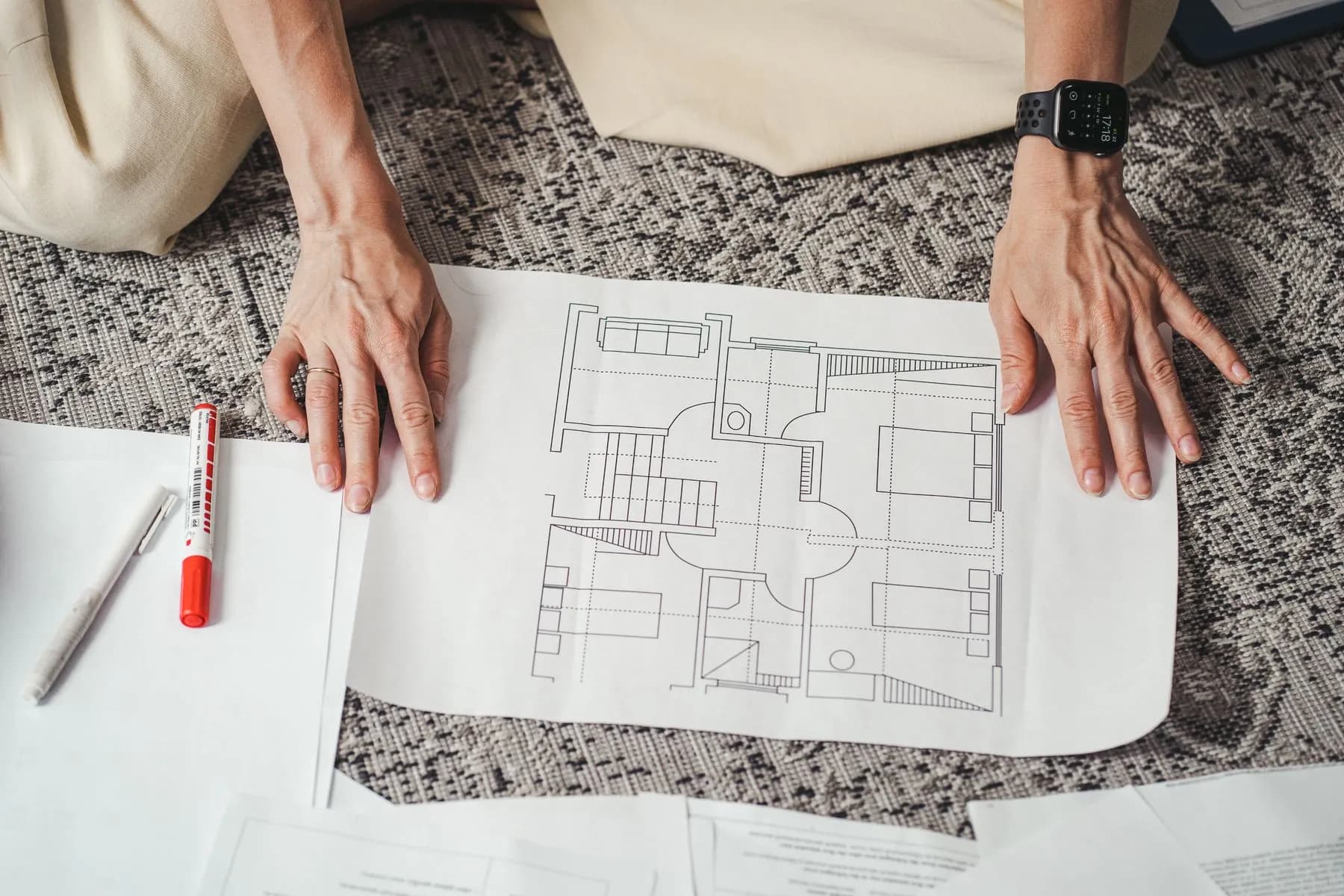
That is a design problem as much as a merchandising one. The layout, lighting and fixtures decide whether foodservice feels like a destination or an afterthought.
Design Principle 1: Put Food Where It Can Be Seen
Foodservice should be visible from the entrance, not hidden behind the cooler wall. A clear sightline to the coffee bar or hot food case tells customers immediately that this store is a place to eat. At Prince Market in Athens, Georgia, StoreMaker placed the branded coffee counter as a focal point so the dining offer reads the moment guests walk in.
Design Principle 2: Separate Speed From Dwell
Grab-and-go shoppers and dine-in guests want different things. Keep a fast lane from the door to grab-and-go coolers and checkout, and give seating its own zone with comfortable furniture and good lighting. Our Clarion, Pennsylvania truck stop project paired a fast retail flow with a dedicated dining area so drivers can either refuel quickly or sit down for a real meal.
Design Principle 3: Build the Back-of-House In Early
Prepared food needs prep space, equipment power, ventilation and storage. Retrofitting those after the floor plan is set is expensive. When foodservice is planned from day one, the front counter, millwork and equipment line up and the kitchen supports the menu you actually want to sell.
Design Principle 4: Make Seating Earn Its Space
Seating used to be considered dead square footage. Today it is how c-stores compete with quick-service restaurants. Built-in charging stations, durable materials and a warm atmosphere turn seating into a reason to choose your store, especially near campuses, offices and highways.
How StoreMaker Can Help
StoreMaker designs, fabricates and installs foodservice counters, coffee bars, seating areas, ceiling features and lighting as one coordinated package. If you are planning a new build or a remodel and want foodservice to pull its weight, call 800-660-3772 or request a consultation.
Source: NACS, "U.S. Convenience In-Store Sales Top $340 Billion," April 2026.